Managed Hosting
Website Security for Pest Control Companies: SSL, Backups and What to Do If You Get Hacked
SSL, updates, logins and backups in plain words: what can go wrong, how to tell your site was hacked and what to do next.
SSL, updates, logins and backups in plain words: what can go wrong, how to tell your site was hacked and what to do next.
Website security for pest control companies comes down to four habits. Use HTTPS on every page, keep software up to date, lock down logins and keep backups away from the site. When something does go wrong, a clean backup and a host who answers the phone get your site back.
Your website is where scorpion calls and termite inspections start. A browser warning on your quote page sends that caller to the next company on the list. If you would rather not handle this yourself, our managed hosting plan handles SSL, backups, updates and security monitoring for you. Here is what to check either way.
Rather have someone watch this for you? Ask about managed hosting in your quote request. It runs month to month, with no contract.
Veteran-owned and family-owned. 10 years in business.
Get a Quote →
The usual trouble is ordinary upkeep that slipped, not a dramatic attack. Here is what that looks like:
Timing matters too. Bark scorpion activity in the Tri-State area peaks from April through September. Those months bring your most urgent callers, so that is the worst time for a warning screen. Customers on a service agreement look up your number on the site too.
You may not spot it yourself, so watch for outside clues. Google lists these signs of a hacked site:
Chrome can also show a full-page red warning. Google's Chrome help says that means Safe Browsing flagged the site as unsafe.
If you use Google Search Console, its Security issues report shows what Google found. Google says a flagged site can carry a warning label in search results.
One easy habit: open your own site on your phone once a week, the way a customer would.
If your pest control website was hacked, stay calm and work through it in order. A clean backup does the heavy lifting.
Google says fixing some pages but not others will not bring a partial return to search results. It also says reviews can take from a few days to a few weeks.
If your quote form collects customer details, ask your developer what was stored and who could see it.
This is the upkeep a managed hosting plan takes off your plate. Ask about hosting in your quote request, and we will include it in the proposal.
Veteran-owned and family-owned. 10 years in business.
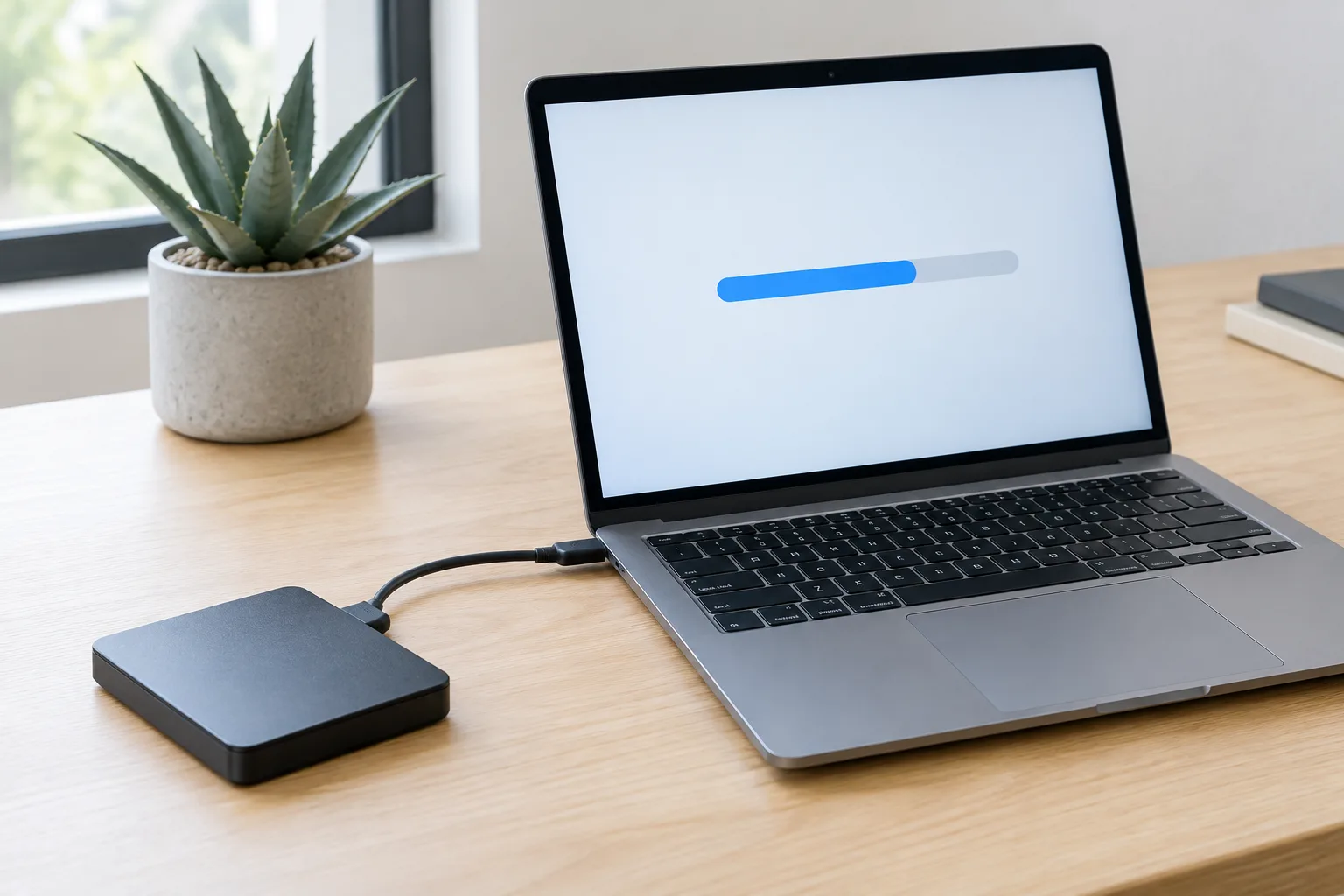
Get a Quote →A backup is worth something when it is recent, stored away from the site and tested. The FTC tells small businesses to back up important files regularly and save the copies in the cloud or on an external hard drive.
For a website, the same idea applies. Keep copies somewhere other than the server your site lives on.
| Backup setup | Where the copies live | What happens on a bad day |
|---|---|---|
| No backups | Nowhere | The site gets rebuilt from scratch. |
| Backups on the same server | Next to the site | A server failure or hack can take the copies down too. |
| Automatic offsite backups | Separate storage | You restore a recent copy and get back to work. |
Ask whoever holds your backups these questions:
SSL is what makes your web address start with https://. The FTC's guide calls it TLS. It says TLS helps make sure information sent to your website is encrypted.
That matters for pest control. A quote form can carry a name, a home address and a phone number.
Google's Chrome help says a site without a private connection shows an Info or Not secure mark. It says the site owner must fix that with HTTPS.
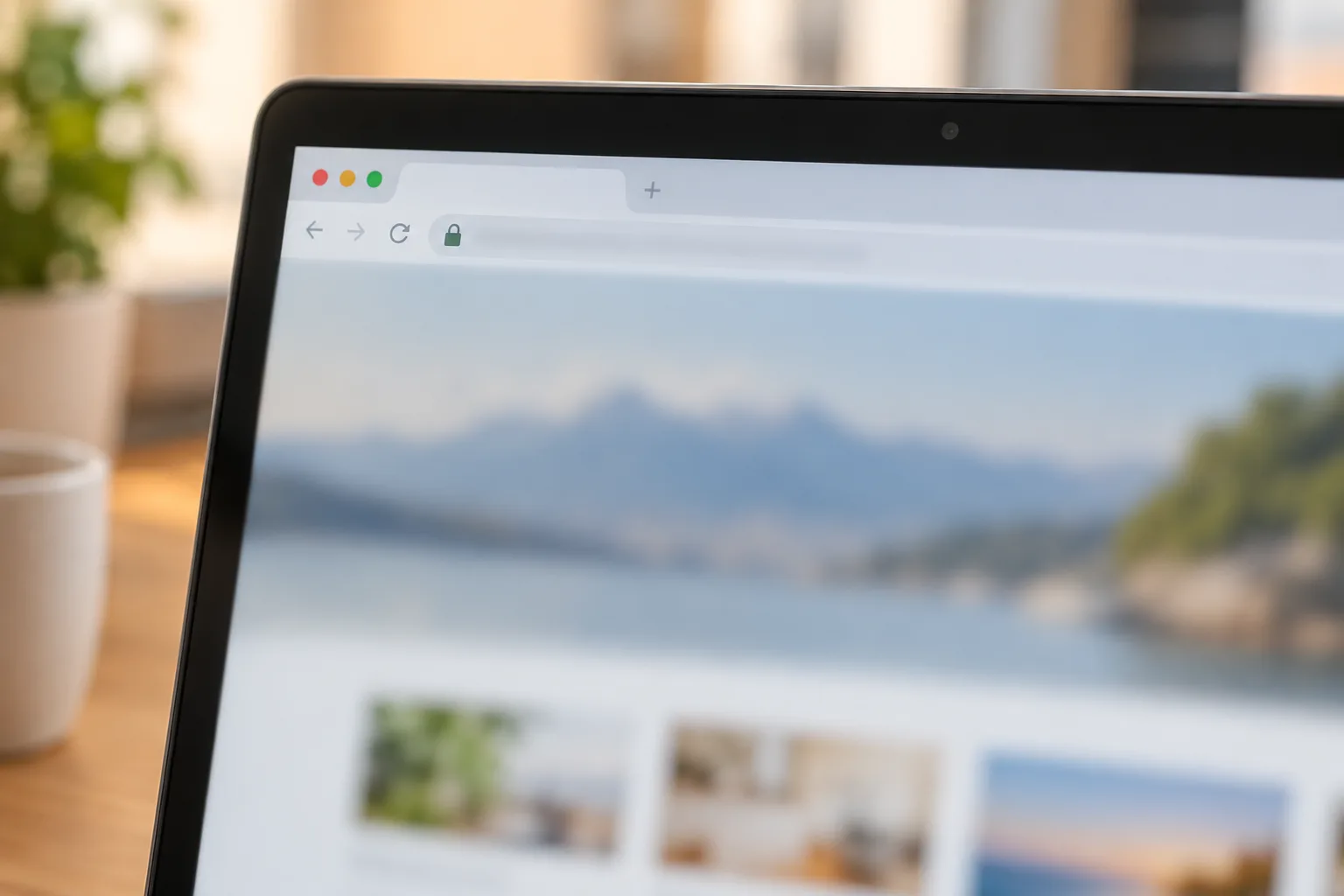
Certificates need renewing, so someone has to own that date. On our managed plan, renewal is automatic.
Run through this list once a quarter, or hand it to whoever manages your site.
The password, multifactor and update items match CISA's core steps for staying safe online. CISA also lists avoiding and reporting phishing scams, so show office staff what a fake email looks like.
The FTC suggests questions like these when you hire a web host. Here they are in short:
Our managed hosting is optional. After launch, you can run hosting yourself or let us manage it. Here is how the work splits:

| Task | On your own | With our managed hosting |
|---|---|---|
| SSL certificate | You track the renewal date | Installed and renewed automatically |
| Backups | You set them up and check them | Daily, automated, stored offsite |
| Software updates | You apply them yourself | Tested before they are applied |
| Security | You watch for warning signs | Monitoring, malware scanning and a firewall |
| Downtime | You contact the host | Uptime monitoring with incident response |
| Small edits | You make them or hire someone | Minor content updates each month |
Hosted clients also get priority support. The plan runs month to month with no contract. If you leave, you get full file access and a clean export.
Pricing depends on site size and complexity, so ask about it in your quote request.
Security is one part of a site that earns calls. See what a pest control website needs to convert visitors into calls and what goes into our pest control web design. Your Google Business Profile sends searchers to the same site, so keep both in good shape.
Kiss My Grass Social has worked with landscapers, pest control companies, and tree services in the Tri-State area and the Dallas-Fort Worth market for 10 years. Get in touch to talk about your business.
Email: [email protected] | kissmygrasssocial.com
Veteran-owned and family-owned. 10 years in business.
Get a Quote →Practical tips for outdoor service businesses in the Tri-State area.
Tell us about your business and we'll come back with a clear proposal covering scope, approach, and cost.